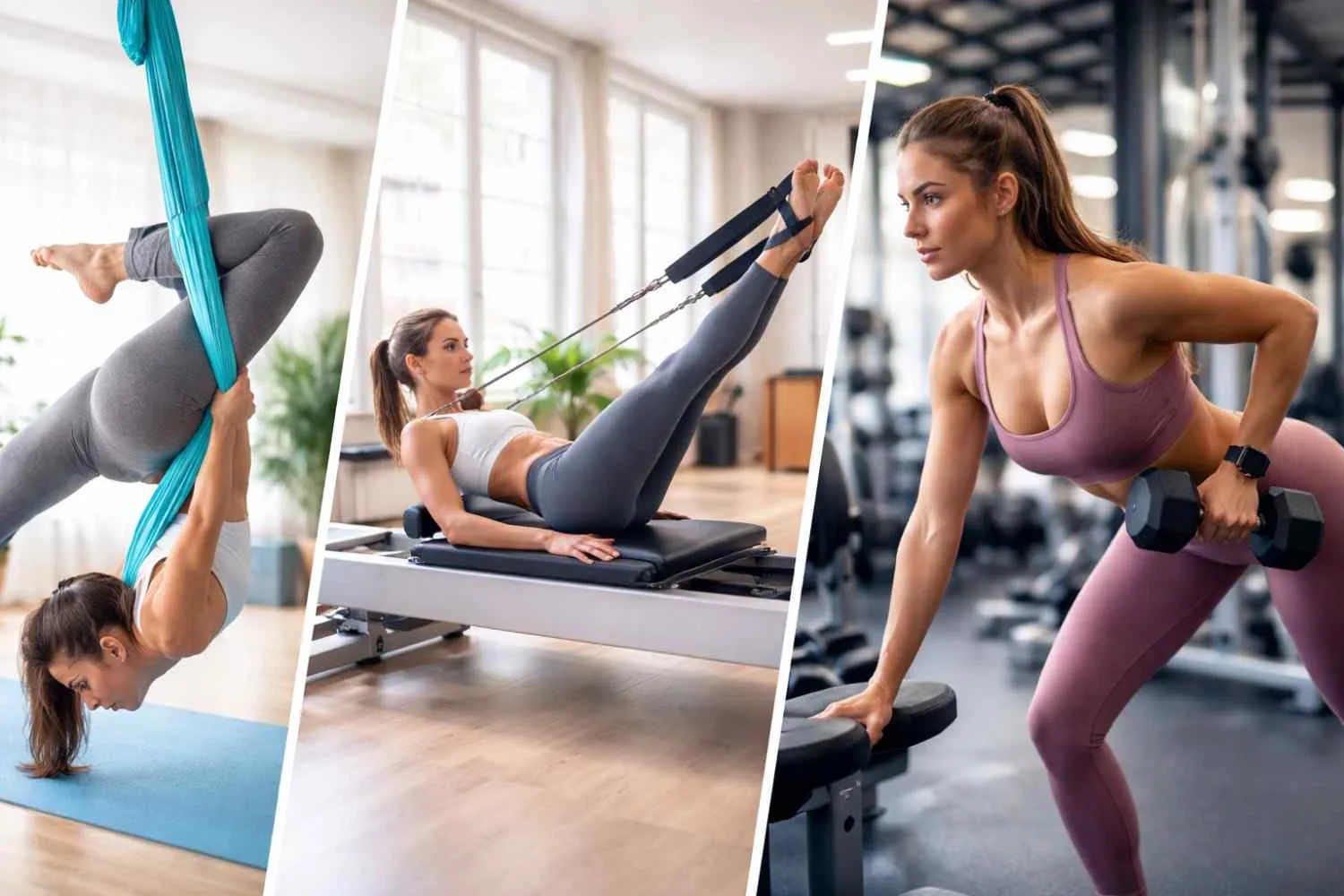
Aerial yoga, Pilates, and gym workouts are among the most popular fitness choices today—especially for women, beginners, and those recovering from injuries. While each offers unique benefits, choosing the right one depends on your goals, lifestyle, and body needs.
If you’re confused between aerial yoga vs Pilates vs gym, this guide will help you make the right decision.
| Feature | Aerial Yoga | Pilates | Gym Workouts |
| Focus | Flexibility & balance | Core strength & posture | Strength & endurance |
| Equipment | Hammock | Mat/Reformer | Machines & weights |
| mpact on joints | Low | Low | Medium to high |
| Difficulty level | Moderate | Beginner to advanced | All levels |
| Best for | Flexibility, stress relief | Core & posture | Muscle gain, fat loss |
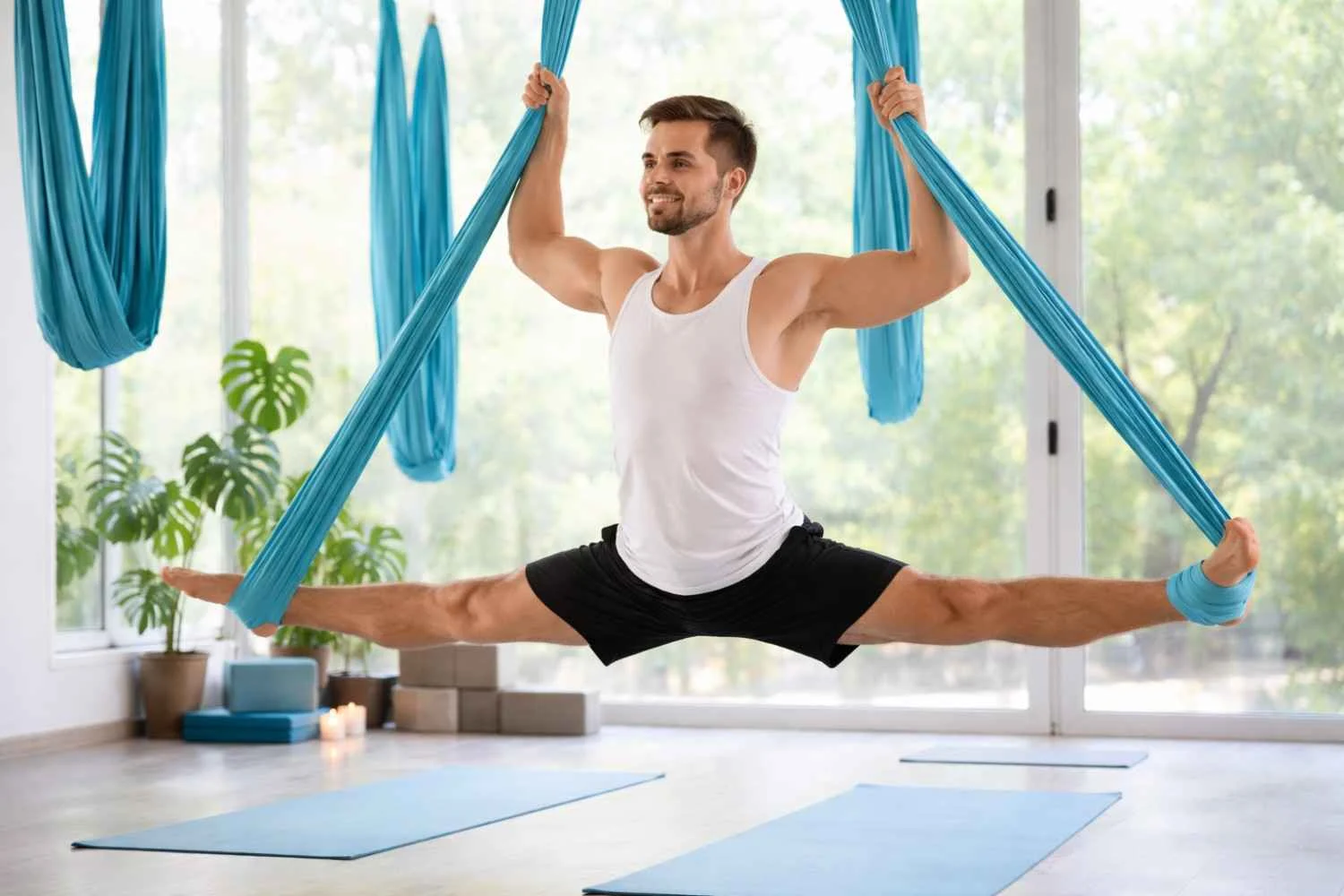
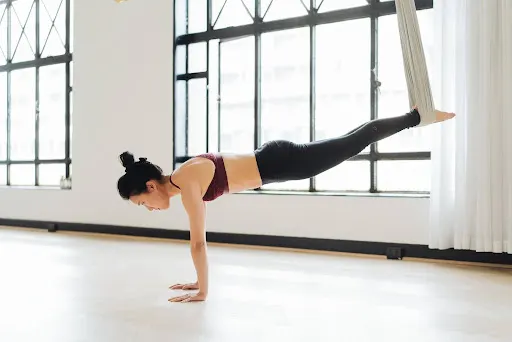
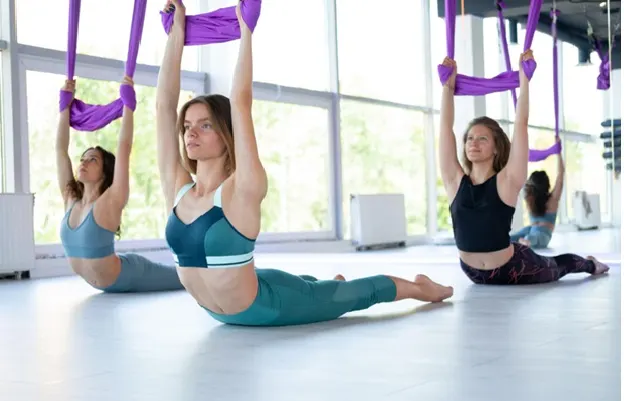
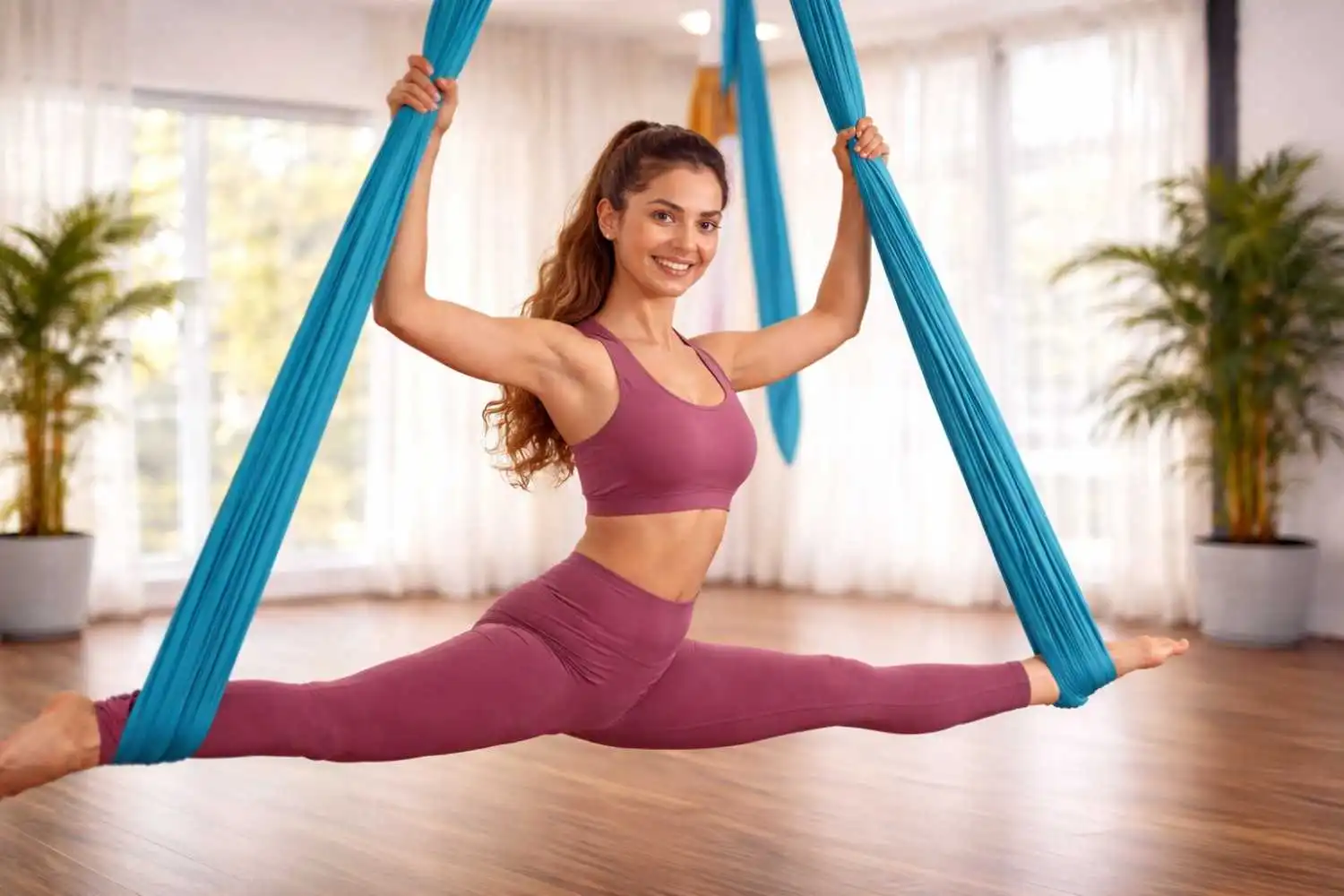
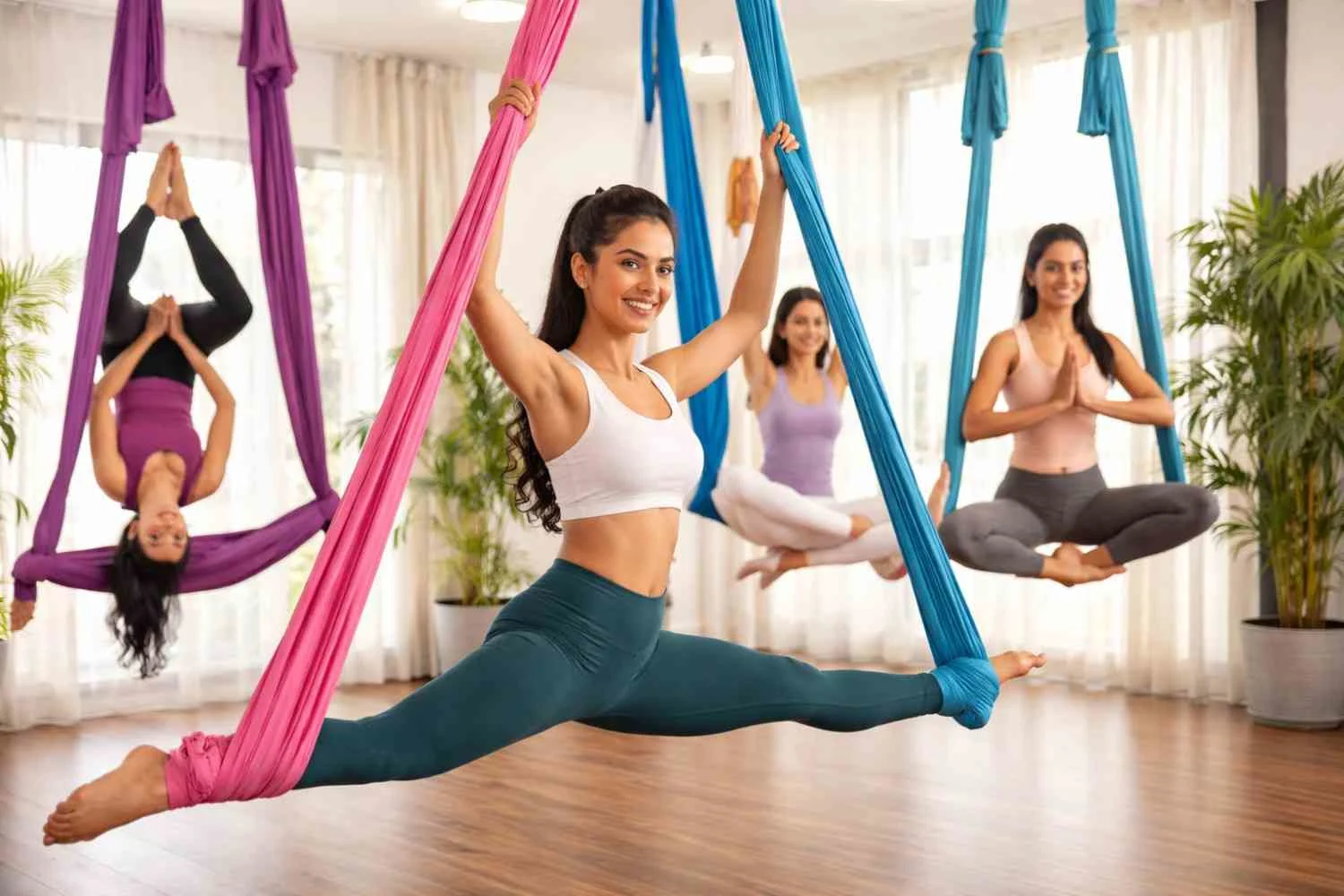
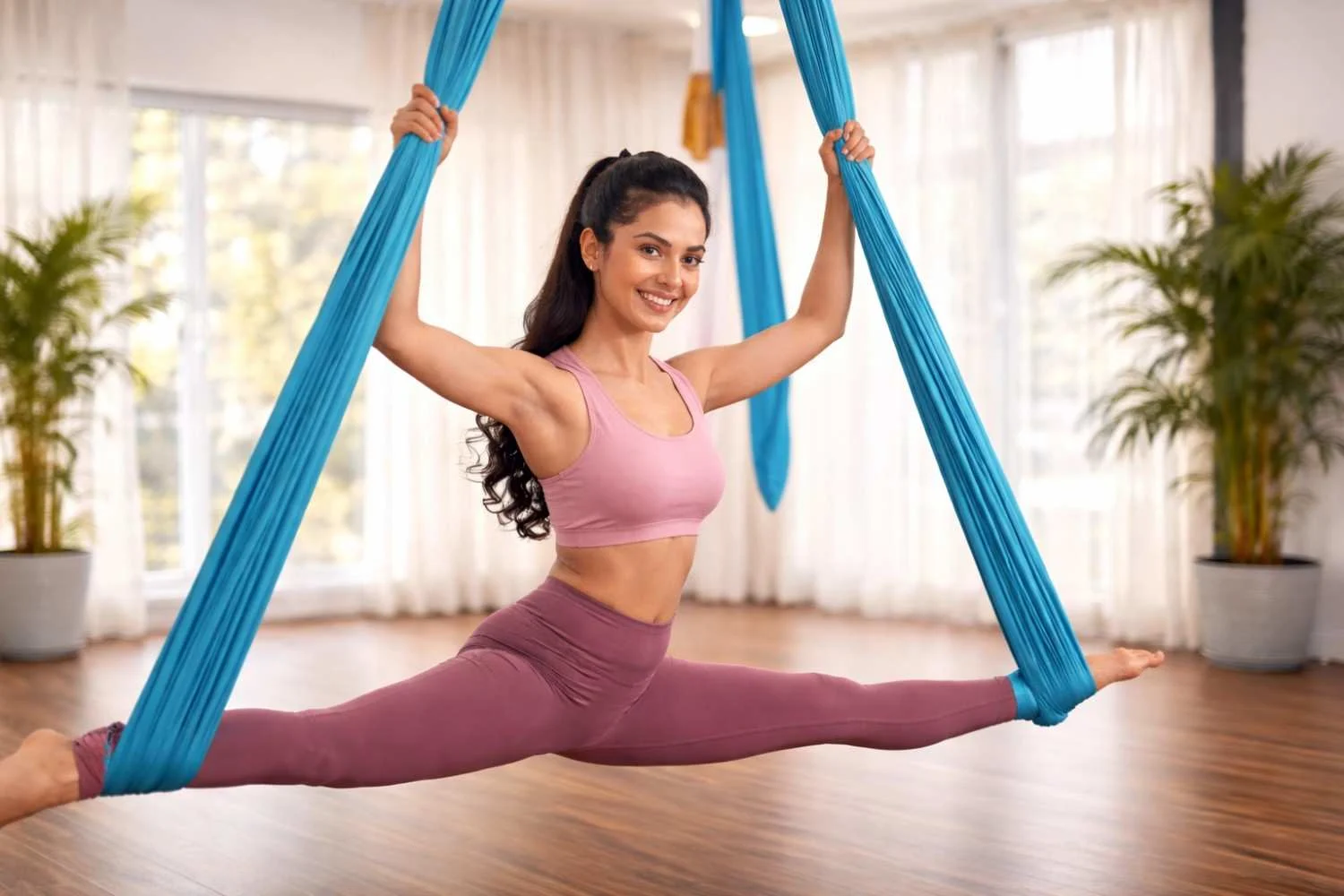
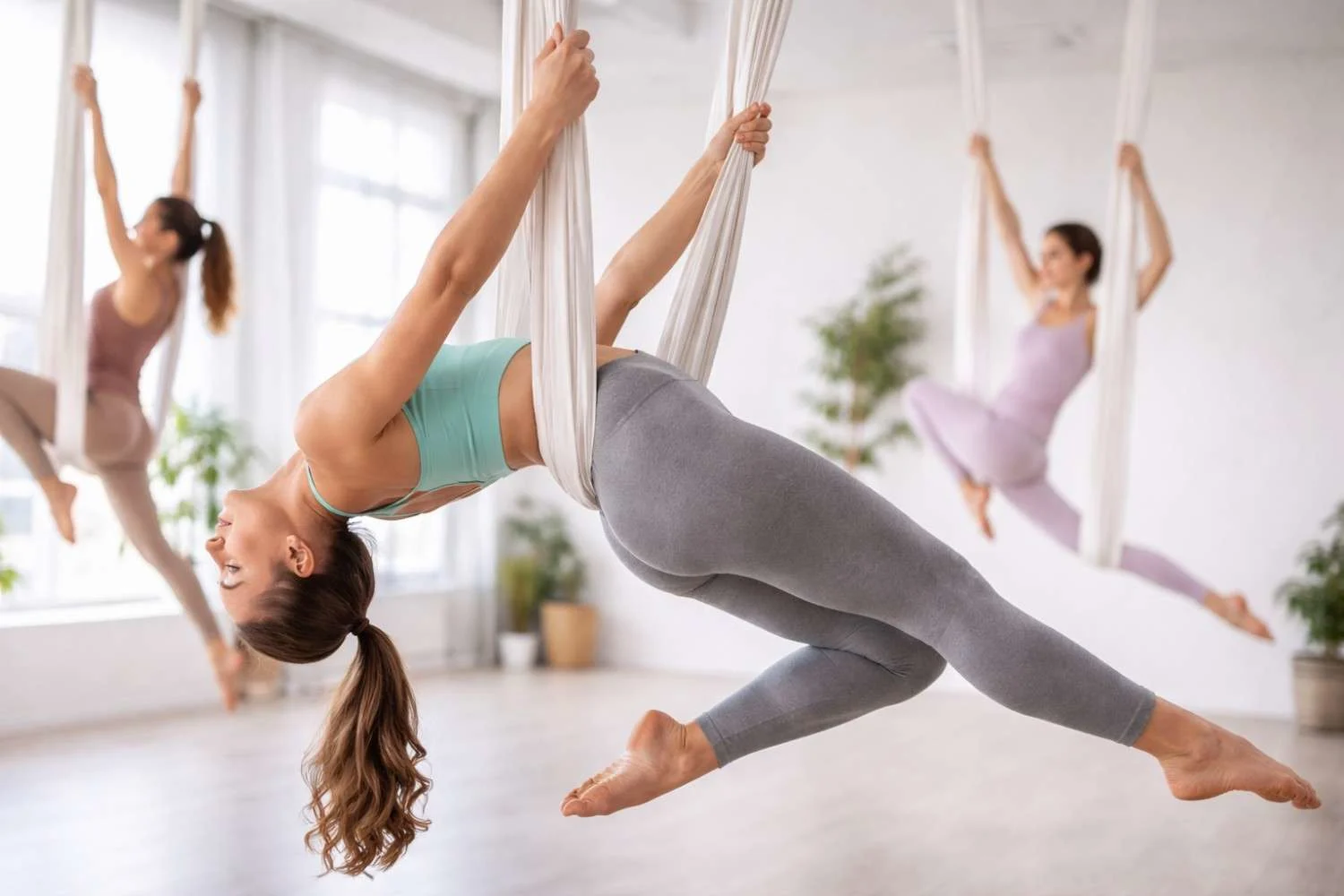
Aerial yoga is a modern form of yoga that uses a suspended hammock to support your body.
Combines traditional yoga, stretching, and aerial movements
Allows inversion poses without pressure on joints
Helps in spinal decompression
This makes it especially beneficial for:
Women seeking flexibility and stress relief
Physiotherapy patients needing gentle movement
Beginners who want low-impact workouts
Pilates is a low-impact exercise system focused on controlled movements and core strength.
Strengthens deep core muscles
Improves posture and alignment
Enhances stability and coordination
Pilates is ideal for:
Post-pregnancy recovery
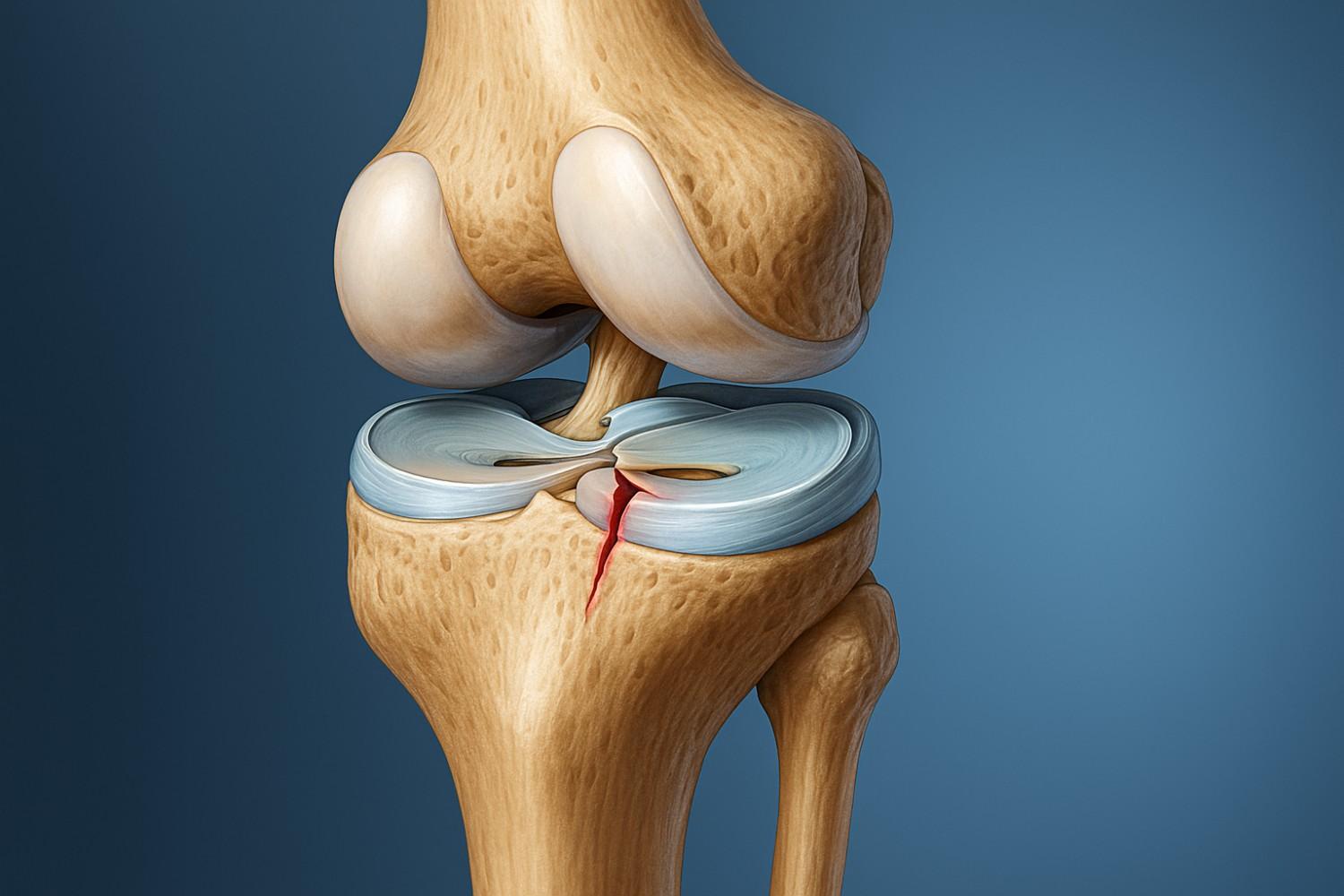
Injury rehabilitation
Improving posture and balance
Gym workouts include a variety of exercises such as weight training, cardio, and resistance workouts.
Focus on muscle building and fat loss
Highly customizable routines
Suitable for all fitness levels
Gym workouts are best for:
Strength training
Weight loss
Athletic performance
When comparing aerial yoga vs Pilates, the difference lies in flexibility vs control.
Aerial yoga uses a hammock; Pilates uses mat or reformer
Aerial yoga improves mobility and flexibility
Pilates focuses on core stability and posture
Choose aerial yoga for relaxation and flexibility
Choose Pilates for core strength and posture correction
The comparison of aerial yoga vs workout (gym) comes down to intensity vs recovery.
Aerial yoga is low-impact and gentle
Gym workouts are high-intensity and strength-focused
Less joint strain in aerial yoga
Aerial yoga → stress relief & flexibility
Gym → muscle gain & fat loss
Pilates and gym workouts serve different fitness purposes.
Pilates is controlled and low-impact
Gym workouts can be intense and goal-driven
Pilates improves posture and stability
Gym improves strength, endurance, and muscle mass
Choosing between yoga vs gym vs Pilates depends on your goals.
Flexibility and relaxation
Low-impact exercise
Stress relief and mental wellness
Strong core muscles
Better posture
Support in injury recovery
Muscle building
Fat loss
High-intensity training
Yes—and this is actually the best approach for overall fitness.
Aerial yoga → recovery & flexibility
Pilates → core strength
Gym → muscle and endurance
This balanced routine helps prevent injuries and improves long-term fitness.
Aerial yoga stands out for its therapeutic and mental benefits.
Aerial Yoga has many unique benefits
Spinal decompression (relieves back pain)
Faster flexibility improvement
Reduces stress and anxiety
If you're new to fitness, start smart.
Begin with low-impact workouts (aerial yoga or Pilates)
Gradually introduce gym training
Always practice under expert guidance
This approach is especially helpful for:
Women starting fitness after a break
Post-pregnancy recovery
Physiotherapy patients
There is no single “best” workout—only what suits your body and goals.
Aerial yoga is ideal for flexibility, relaxation, and recovery
Pilates is best for core strength and posture
Gym workouts are perfect for muscle building and endurance
For the best results, combining all three can give you a well-rounded fitness routine that supports both physical and mental health.
Copyright 2026 | Omansh.org
Website designed and developed by PulsePlay Digital